Chelated Iron DTPA Fertilizer 11% Fe
- Regular Price
- $ 31.99
- Sale Price
- $ 31.99
- Regular Price
- $ 29.99
Sold Out
- Unit Price
- per


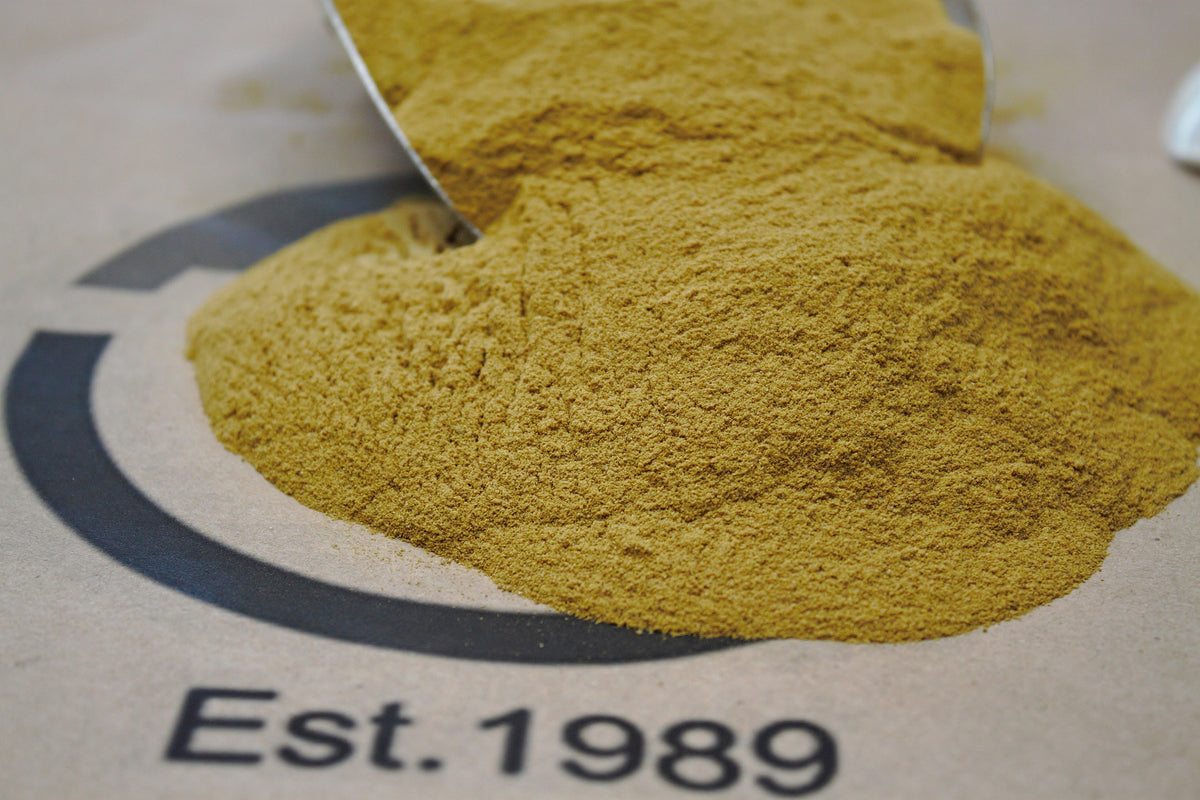


11% chelated iron
A fully chelated, water-soluble powdered iron fertilizer for preventing and correcting iron deficiency in crops. Soil application is preferred; foliar application may be used when soil application is impractical.
Young leaves show interveinal chlorosis, testing supports iron deficiency, and the soil is acidic to mildly alkaline.
Lower pH, neutralize bicarbonate alkalinity, replace a complete fertilizer, or correct yellowing caused by damaged roots, waterlogging, or another nutrient.
| Guaranteed analysis | Iron (Fe): 11.00% |
|---|---|
| Chelated iron | 11.00% |
| Derived from | Iron diethylenetriaminepentaacetate (Fe-DTPA) |
| Form | Fully chelated, water-soluble powder |
| Function | Micronutrient fertilizer for confirmed iron deficiency |
| Available sizes | 1 lb, 2 lb, 5 lb, and 25 lb |
| Measurement | Use a suitable scale for weight-based label rates; retain teaspoons only where the ornamental label direction specifies them |
The 11% analysis means each gram of product contains 0.11 gram, or 110 milligrams, of elemental iron.
Confirm iron deficiency and measure pH before applying. These are manufacturer label rates for BRANDT Sequestar 11% Fe DTPA, the source formulation for this product.
| Use | Rate or target | Important limits |
|---|---|---|
| Soil — vegetable crops | 2.5–7.5 lb per acre. | Includes beans, celery, cucumbers, lettuce, melons, onions, peas, peppers, potatoes, sweet corn, and tomatoes. |
| Soil — field crops | 2.5–7.5 lb per acre. | Includes alfalfa, corn, dry beans, peas, forage grasses, rice, safflower, sorghum, sugar beets, and sugarcane. |
| Soil — tree and vine crops | 2.5–10 lb per acre, or 0.5–2.5 oz per inch of tree diameter. | For individual plants, spread uniformly beneath the drip line and water in. |
| Soil — ornamental shrubs and trees | 4 tsp for small shrubs; up to 4 tsp per inch of diameter for large trees and shrubs. | Includes azaleas, gardenias, junipers, pines, and roses. |
| Foliar — citrus | 1–2 lb per 100 gal of cover spray. | Apply any time except during bloom. Buffer the diluted spray to pH 6–6.5. |
| Foliar — tree and vine crops excluding citrus | 1–2 lb per acre in at least 25 gal of water. | Apply at dormant or delayed-dormant before bloom, then after full bloom at 2–3 week intervals as needed. When fruit is present on deciduous crops, use 1 lb per acre in 50–100 gal of water. |
| Foliar — vegetable and field crops | 1/3–1-1/3 lb per acre in at least 25 gal of water. | Use ground equipment and sufficient spray volume for thorough coverage. |
| Aerial application | 1/3 lb per acre in at least 10 gal of water. | Follow the applicable foliar timing recommendation. |
Select the crop and application method, enter the treated area, cover-spray volume, or combined tree diameter, and choose the minimum or maximum manufacturer label rate. The result covers one application.
The calculator uses only BRANDT Sequestar 11% Fe DTPA label rates. Ornamental teaspoon directions do not generate a package recommendation because a verified teaspoon-to-weight conversion is unavailable.
DTPA surrounds iron and reduces the reactions that would otherwise precipitate or immobilize it. That protection makes Fe-DTPA more stable than Fe-EDTA as pH rises, but it is not unlimited: at pH 7.5, published equilibrium data estimate that only about half of the DTPA-bound iron remains chelated. Treat 7.5 as an upper boundary, not a full-performance guarantee.
Fe-DTPA supplies available iron; it does not acidify the root zone or remove bicarbonate alkalinity. If pH or source-water alkalinity caused the deficiency, manage that condition as a separate part of the nutrient plan.
Light can degrade Fe-DTPA in nutrient solutions and cause soluble iron loss. Opaque or shaded reservoirs help preserve the dose.
| Iron source | Best-fit conditions | Main limitation |
|---|---|---|
| Fe-EDTA | Mildly acidic root zones, generally below about pH 6.5 | Loses stability rapidly as pH rises |
| Fe-DTPA 11% | Neutral to moderately alkaline conditions; a practical step up from EDTA | Stability is already declining near pH 7.5 |
| Fe-EDDHA | More strongly alkaline conditions, especially above about pH 7.5 | Usually costs more and may discolor solution |
| Ferrous sulfate | Situations where an unchelated iron source is specified and pH permits | Iron can become unavailable quickly as pH rises |
California warning: This product can expose you to chemicals including arsenic, cadmium, and lead, which are known to the State of California to cause cancer and reproductive harm. See P65Warnings.ca.gov.
Fe-DTPA is iron protected by the chelating agent DTPA. It is more stable than Fe-EDTA as pH rises and is a practical choice for neutral to moderately alkaline root zones. Its stability still declines near pH 7.5, so Fe-EDDHA is generally the better fit above that range.
Iron deficiency usually appears as yellow tissue between green veins on the youngest leaves first because iron moves poorly within the plant. Similar symptoms can result from manganese deficiency, high pH, damaged roots, or waterlogging, so inspect the root zone and test before treating.
Apply 2.5–7.5 pounds per acre as a broadcast soil application. Do not concentrate the broadcast rate into a spot or band because phytotoxicity may result.
Apply 2.5–10 pounds per acre, or 0.5–2.5 ounces per inch of tree diameter. For individual trees, distribute the product uniformly beneath the drip line and water it in.
Apply 1–2 pounds per 100 gallons of cover spray any time except during bloom. After dilution, buffer the spray solution to pH 6–6.5.
For tree and vine crops excluding citrus, apply 1–2 pounds per acre in at least 25 gallons of water. For vegetable and field crops, apply 1/3–1-1/3 pounds per acre in at least 25 gallons of water. Follow the crop-specific timing and fruit-present directions on the label.
The manufacturer permits application in water or with most pesticides. Make the correct dilution first, follow every tank-mix partner label, and test a small mixture or crop area whenever compatibility or crop sensitivity is uncertain.
No. The chelate helps protect iron from becoming unavailable, but it does not lower pH or neutralize bicarbonate alkalinity. Correct the iron supply and manage the underlying root-zone or source-water chemistry separately.
Send your crop, root-zone pH, acreage or tree diameter, spray volume, and intended application method to questions@greenwaybiotech.com.